Cranford estate removals: Narrow-street strategies Harlington
Posted on 18/06/2026
Moving house is rarely simple, but in Cranford and the tighter residential streets around Harlington, it can become a very different kind of puzzle. You are not just shifting boxes from A to B. You are dealing with parked cars, awkward turning space, narrow pavements, upstairs windows, and the kind of street layout that can make a perfectly normal removal feel suddenly complicated. That is exactly why Cranford estate removals: Narrow-street strategies Harlington need more than a van and a bit of good luck.
This guide breaks down how a narrow-street move actually works, what makes it easier, where the risks sit, and how to plan it without last-minute panic. If you are moving a full house, a flat, or just a few bulky items, the right approach saves time, reduces damage, and keeps everyone calmer. To be fair, that calm is worth a lot on moving day.
Why Cranford estate removals: Narrow-street strategies Harlington Matters
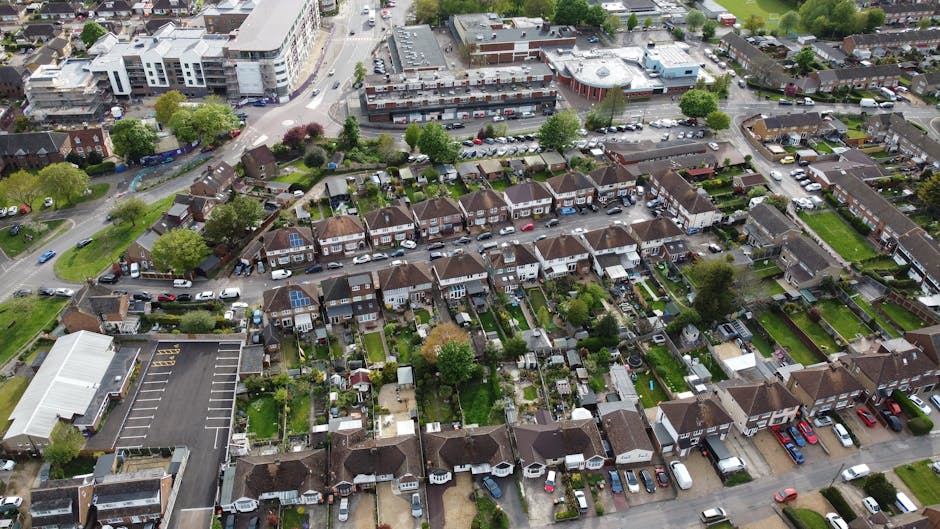
Narrow streets change everything. On paper, a move might look straightforward: pack up, load the van, drive across Harlington, unload, done. In real life, Cranford estate roads and similar local streets often bring access issues that affect timing, safety, parking, and even the order in which items should be loaded.
The main reason this matters is simple: the smaller the margin for error, the more planning you need. A van that is too large, a badly timed arrival, or a sofa that was not measured properly can turn a smooth move into a stressful mess. And once one thing slips, the whole schedule can drift.
That is why experienced movers treat narrow-street work as a logistics job first and a lifting job second. The street itself becomes part of the plan. You think about turning angles, entry points, weather, neighbours, and how long the van can realistically stay in place without causing disruption.
For many local households, the issue is not moving volume alone. It is access. A small terrace, a flat above shopfronts, a split-level home, or a property with limited frontage can all require a different method. If you are comparing support options, it helps to review removals in Harlington and then match the service to your street conditions rather than choosing purely on price.
Expert summary: In narrow streets, the best removal plan is not the biggest van or the fastest crew. It is the plan that avoids wasted shuttles, awkward lifting, neighbour complaints, and damage to your own furniture.
How Cranford estate removals: Narrow-street strategies Harlington Works
Narrow-street removals work by reducing friction before moving day even starts. The job begins with access planning, not loading. A good team will look at the property layout, likely parking position, what items need protection, and whether the move benefits from a smaller vehicle, a shuttle approach, or staggered loading.
Here is the practical flow.
- Pre-move assessment - Check street width, parking options, gate access, stairs, and any tight corners inside the property.
- Item survey - Identify awkward items such as wardrobes, mattresses, glass tables, pianos, or heavy appliances.
- Route planning - Decide where the van will stop, where items will be carried, and whether a second loading point is useful.
- Packing and protection - Use the right wrapping, boxes, and labels so the load comes out in the right order and stays intact.
- Loading strategy - Put high-risk or delicate items in first, then build around them using stable, heavier pieces.
- Unloading strategy - Reverse the process with clear room-by-room placement to avoid crowding hallways or blocking stairs.
In practice, this might mean a smaller vehicle parked as close as possible, while bulkier furniture is carried in shorter, safer runs. It might also mean asking a neighbour to leave a gap on the kerb for an hour, or moving the most awkward pieces earlier in the day before the street gets busier. Small thing, big difference.
For households with heavy furniture, a dedicated furniture removals service in Harlington can make the handling side much easier, especially when access is the real challenge.
And if the move includes a piano, do not improvise. Tight turns and uneven pavement are exactly where professional handling matters most. You can read more on piano removals in Harlington and why that item needs specific care.
Key Benefits and Practical Advantages
The value of a narrow-street strategy is not abstract. You feel it in the day itself. The move finishes sooner, the crew does less unnecessary lifting, and your furniture is less likely to get bumped, scraped, or dragged at a bad angle across a hallway.
Here are the main benefits:
- Less damage risk - Better planning means fewer collisions with walls, bannisters, kerbs, and door frames.
- Faster turnaround - When the van position and loading order are sorted, the whole process runs more efficiently.
- Lower physical strain - Fewer awkward lifts and shorter carry distances reduce the chance of injury.
- Better neighbour relations - Thoughtful access planning reduces blocking, noise, and frustration on a busy street.
- Cleaner unloading - Items arrive in a more workable sequence, which matters when you are trying to get settled quickly.
There is also a quieter benefit people sometimes overlook: confidence. When you know the access plan makes sense, the move stops feeling like a gamble. That matters a lot, especially if you are juggling children, work calls, or a completion time that has already moved once. Ask anyone who has done a late afternoon move in drizzly weather; it can feel endless if the plan is flimsy.
If you are already thinking beyond the move itself, proper packing and storage decisions can prevent damage before and after transport. The article on expert packing strategies for moving is a helpful companion piece, particularly if your route involves multiple carry points.
Who This Is For and When It Makes Sense
This approach is useful for more people than you might think. It is not just for large family homes or oversized furniture. Narrow-street planning helps anyone moving from a property where access is tight or unpredictable.
It usually makes sense if you are:
- moving from a terraced house with limited frontage
- relocating from a flat with stairs or shared entrances
- handling a job with bulky furniture, white goods, or fragile items
- moving during a busy period when on-street parking is scarce
- trying to minimise disruption for neighbours, family, or business clients
- working to a strict handover window or same-day turnaround
It is also a smart choice if you are doing the move on a budget and want to avoid paying for delays caused by poor access planning. A little preparation can be cheaper than an extra hour of waiting around while someone shuffles vehicles on the road. Honestly, that part alone can save a lot of stress.
For students or smaller household moves, a more compact setup may be better than a full-size removal lorry. In those cases, a man and van in Harlington or man with a van in Harlington can be a practical fit, provided the service understands the street conditions properly.
Step-by-Step Guidance
Below is a straightforward way to organise a narrow-street move without letting it spiral. No drama, just structure.
- Measure the biggest items first. Sofas, wardrobes, beds, and appliances should be checked against doorways and stair widths before moving day.
- Map the access. Note where the van can stop, where pedestrians pass, and whether the route from property to vehicle includes steps, slopes, or awkward turns.
- Declutter early. Every item you do not move is one less thing to wrestle through a tight gap. If you need a refresher, the guide on decluttering ahead of moving day is worth a look.
- Sort by priority and fragility. Keep essentials, documents, chargers, and overnight items separate. You do not want to be rummaging through tea towels at 10 p.m.
- Use proper packing materials. Good boxes, blankets, tape, corner protection, and mattress covers reduce damage during short carries as well as long journeys.
- Load in the correct sequence. Put weight where it belongs and keep fragile items protected from shifting.
- Keep the entrance clear. One person should be responsible for maintaining a clear path, because clutter near the front door slows everything down.
- Unpack by room, not by impulse. It is tempting to open everything at once. Resist. A simple room-by-room approach keeps your new place usable.
If your move includes a bed and mattress, plan for awkward size and awkward timing. The advice in relocating beds and mattresses safely can help prevent the classic mistake of trying to twist a mattress through a narrow landing. It never looks as easy as people expect. Never.
A practical extra step: create a small "last off, first on" box with kettle, mugs, loo roll, scissors, medication, and phone chargers. It sounds basic, but the first evening after a move is always a bit chaotic, even when everything goes well.
Expert Tips for Better Results
A narrow-street move gets much easier when you think like a remover rather than just a homeowner. A few habits make a noticeable difference.
1. Match the vehicle to the road, not the other way around
In some streets, a smaller van is simply the better tool. A slightly smaller load with a shorter carry is often faster than a larger van trying to force its way into a bad position. This is one reason many people compare a full-service removal vehicle with a lighter removal van option in Harlington.
2. Pack for the carry distance, not just the journey
Short carries can still damage badly packed items. A box that seems fine in a car boot may split when someone has to walk it down a narrow pavement and pivot around a parked car. Use strong tape and label sides clearly.
3. Keep bulky pieces as close to their final use as possible
If you know the wardrobe is going into the back bedroom, do not leave it in the hall "just for now." Hallway pile-ups become trip hazards very quickly.
4. Protect the route inside and outside
Door frames, bannisters, corners and kerbs are the usual trouble spots. Good teams protect these before the first item moves. It feels slightly overcautious at first, until you see how often those edges get knocked.
5. Do not underestimate lifting technique
Proper lifting is not just for heavy items. Repeated medium-weight lifts can be just as tiring. A useful overview is the article on kinetic lifting techniques, which explains why body position matters more than people think.
One more thing: if an item feels wrong on the stairs, pause. That is usually the right call. Not glamorous, but sensible. The clever move is the one that avoids a near miss.
Common Mistakes to Avoid
Most problems in narrow-street removals are predictable. That is the good news. You can often avoid them with basic planning.
- Booking a vehicle without checking access - size matters, but so does turning room and loading position.
- Leaving packing too late - rushed packing leads to weak boxes and poor labelling.
- Ignoring parking reality - if you assume space will be there, you may be disappointed.
- Forgetting the awkward furniture - beds, sofas, and wardrobes are usually the biggest stress points.
- Overloading boxes - heavy boxes are harder to carry safely and more likely to split.
- Not clearing paths inside the home - shoes, clutter, loose rugs, and coats can slow the job and create hazards.
- Failing to communicate with neighbours - a quick heads-up can prevent avoidable friction.
Another common slip is assuming a short local move needs less preparation. Sometimes the opposite is true. Short-distance moves can be more frantic because people expect them to be easy. Then the key gets misplaced, the van arrives behind a delivery lorry, and suddenly the morning is off to a strange start.
If the move involves valuables or fragile instruments, do not treat them like ordinary furniture. Use the right specialist support, and if needed, check the guidance on avoiding damage when relocating a piano.
Tools, Resources and Recommendations
You do not need a warehouse full of equipment, but the right basics make narrow-street removals much smoother.
- Furniture blankets and pads - useful for protecting corners and painted surfaces.
- Strong packing tape and labels - simple, but essential.
- Mattress covers and sofa protection - especially helpful in damp or unpredictable weather.
- Tool kit - screwdrivers, Allen keys, pliers, and zip bags for fixings.
- Gloves with grip - they improve handling without sacrificing too much dexterity.
- Trolleys or sack trucks - very helpful where the route allows them.
- Removal boxes in mixed sizes - smaller boxes for heavy items, larger ones for lighter contents.
For many people, the most useful resource is not a gadget but a clear service structure. A reliable provider of removal services in Harlington can help with planning, loading, transport, and unloading as a single coordinated job. If you need a broader view of options, the services overview page is a good starting point.
If you are still gathering materials, the packing and boxes service in Harlington can save time and reduce the risk of using the wrong size boxes. And if you need somewhere to store items during a staggered move, storage in Harlington may be worth considering.
For people working to a tight deadline, same-day help can occasionally be the difference between a calm handover and a bad day. You can explore same-day removals in Harlington if timing is becoming the main problem.
Law, Compliance, Standards, or Best Practice
Most home moves are straightforward from a legal point of view, but narrow-street removals still need care around parking, access, safety, and local respect. Rules can vary by council area and by street, so it is sensible to check local parking conditions and avoid assuming that loading is automatically allowed anywhere, anytime.
Best practice usually includes:
- checking whether any parking suspension or permit issue affects the street
- keeping pavements and driveways as clear as reasonably possible
- using safe lifting methods and suitable protective equipment
- handling electricals, glass, and fragile items with extra care
- making sure the removal team understands any access restrictions before arrival
On the professional side, trustworthy removal businesses should be clear about safety expectations, handling processes, and what happens if something does go wrong. That transparency matters. It is one reason pages like insurance and safety, health and safety policy, and terms and conditions are worth reading before you book.
Payment clarity matters too. If you are comparing providers, take a look at payment and security information and the pricing and quotes page so you know what is included. Nobody enjoys surprise charges halfway through a move. Nobody.
If sustainability is part of your decision-making, responsible disposal and re-use can help reduce waste. The recycling and sustainability page explains the wider approach.
Options, Methods, or Comparison Table
Different streets call for different methods. The table below gives a practical comparison of common approaches for narrow-street removals.
| Method | Best for | Strengths | Trade-offs |
|---|---|---|---|
| Full-size removal van | Larger moves with reasonable access | High capacity, fewer trips | Can struggle on tighter roads or limited parking |
| Smaller removal van | Narrow streets, flats, lighter household moves | Easier parking, better manoeuvrability | May require more careful load planning |
| Man and van service | Student moves, partial loads, short local jobs | Flexible, cost-conscious, adaptable | May be less suitable for very large homes unless well planned |
| Shuttle loading | Severely restricted access | Works around tight streets and blocked kerb space | Takes more time and coordination |
| Storage-first move | Staged handovers or delayed completion | Reduces pressure, keeps items secure between addresses | Requires extra planning and storage cost |
If you are deciding between options, think about the street first and the furniture second. That sounds odd, but it is true. A move that looks too big for the access is often better handled by a different vehicle strategy or a staged load. For a broader context, compare with flat removals in Harlington or house removals in Harlington depending on your property type.
Case Study or Real-World Example
Imagine a family moving from a terrace near a tight residential road in Harlington. The front space is limited, two cars are usually parked close together, and the property has a narrow hallway with a turn at the stairs. Nothing dramatic, but enough to make loading awkward.
Rather than sending in a large vehicle and hoping for the best, the removal plan is adjusted. The crew arrives early, with a smaller van that can position more cleanly without blocking the whole street. The biggest furniture items are pre-wrapped and labelled. The sofa is moved first because it needs the straightest route out. Mattresses are kept flat and protected, and the dining table legs are removed before carrying. A neighbour's parked car, which could have caused trouble, is avoided because the loading window is agreed in advance.
The result is not flashy. That is the point. The move stays controlled, the street remains passable, and the owners are not standing in the doorway asking, "How are we going to get that through there?" which, let's be honest, is a question that pops up at least once on most moves.
They also use temporary storage for a few items that are not needed immediately. That step keeps the new home less cluttered on arrival and gives the family time to unpack properly. If a similar scenario applies to you, it may be worth pairing your move with storage tips for sofas or a longer-term storage plan if the handover dates do not line up neatly.
Practical Checklist
Use this as a quick final run-through before moving day. Simple, but effective.
- Confirm the moving date, access time, and any building instructions.
- Measure large furniture and check doorways, stairs, and corners.
- Decide where the van will park and whether access needs to be kept clear.
- Tell neighbours if loading may briefly affect the street.
- Pack fragile items separately and label them clearly.
- Prepare tools for dismantling beds, tables, and wardrobes.
- Keep essentials, documents, and chargers in a separate bag.
- Protect floors, bannisters, and door frames where needed.
- Plan the unloading order room by room.
- Have a backup option in case traffic or parking is tighter than expected.
Quick takeaway: if you only do three things, measure the biggest items, plan the van position, and pack with the street route in mind. Those three alone prevent a surprising amount of trouble.
Get a free quote today and see how much you can save.
Conclusion
Cranford estate removals in narrow Harlington streets are all about smart preparation, not brute force. When you understand how access, parking, item size, and timing affect the day, the whole move becomes more manageable. You still have the usual moving-day noise, the tape, the labels, the odd missing kettle lid, but the major problems are far less likely to show up.
If you plan early, choose the right vehicle strategy, and handle bulky items with care, you give yourself a proper advantage. The move feels less like a scramble and more like a sequence. And that is the difference people remember afterwards.
For tailored support, it can help to review the wider removal companies in Harlington and choose a team that understands the realities of tight roads, shared spaces, and local access constraints. That local awareness matters more than people often realise.
Take your time, plan the access, and keep the route clear. The rest tends to fall into place.