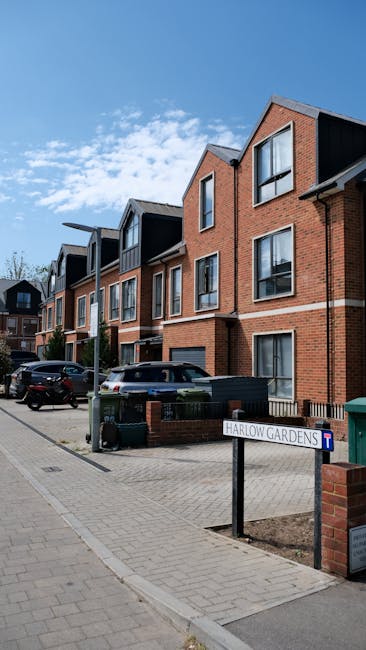
Man with van in Harlington for practical local removals and transport

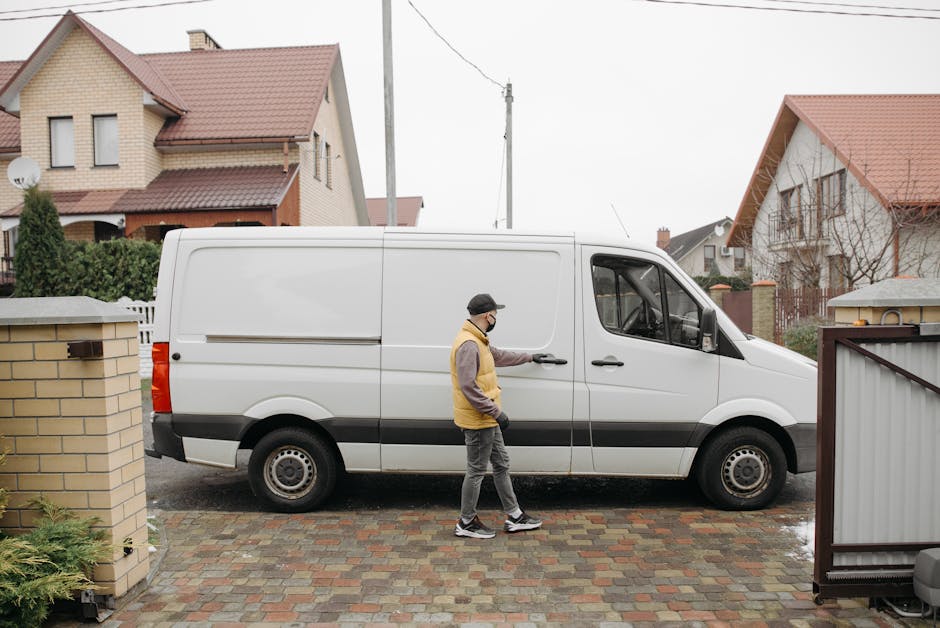
Our man with van service in Harlington is set up for people who need straightforward transport help without overcomplicating the job. It suits single items, part-load moves, smaller house removals and careful collection work where a full removal lorry would be more than is needed. We focus on loading, carrying and moving belongings in a way that keeps the process organised, with a clear emphasis on safe handling and sensible planning from the outset.
Harlington customers often need a service that can adapt to different property types, access points and item sizes. We work around that by treating each move as a practical transport task rather than a one-size-fits-all package. Whether you are moving furniture, shifting boxed belongings or arranging a local delivery, the aim is to keep the work simple, efficient and suitable for the amount of space and lifting involved. Pricing and quotes is the place to look for a more specific enquiry, while the service pages below explain the wider range of removal support available.
For customers comparing options, it helps to think about how much needs moving, how fragile the items are and whether loading assistance is needed at both ends. A man and van arrangement can be especially useful where the job needs more than a car boot but less than a full removal team. If you are planning a local move in Harlington, start with the items you want transported, then decide whether the work is best handled as a small move, a furniture pickup or a broader removal.
House moves and local domestic transport
When the job involves domestic belongings, our approach is to keep the move manageable and well paced. That can include furniture, boxed household contents, soft furnishings, kitchen items and the everyday pieces that make up a home move. A smaller vehicle-led move is often suitable for studio flats, shared accommodation, retirement downsizing or situations where the customer wants help with selected rooms rather than a full property clearance.
Our home moves page describes the kind of domestic transport work that fits this service, while house removals gives a broader view of moving household contents from one address to another. We also support customers who need slightly different wording for the same kind of work, so house movers and house removalists can help people find the right route through the website depending on how they are planning the move.
In practice, domestic transport is usually easier when the heaviest or most awkward pieces are identified in advance. Sofas, beds, wardrobes and dining furniture may need a little more thought than boxed items or bags, especially where stairs, tight corners or limited parking are involved. A clear list of the items, their approximate sizes and the addresses involved makes it easier to judge what can be loaded safely and how the move should be approached. For many customers, that is enough to turn a stressful task into a straightforward plan.
Service options for smaller moves and flexible loading

Not every move needs the same level of support, which is why we describe the work in terms of the task rather than forcing it into one fixed pattern. Some customers need one or two large pieces moved, while others want several rooms’ worth of belongings carried in one trip. A flexible man with van setup helps with this because it can be used for mixed loads, partial house moves and collections that do not justify a bigger removal vehicle.
The most relevant service pages here are man and van, man and van removals and man with a van. These pages reflect the same general kind of service from different angles, giving customers a clearer way to match the wording they use with the transport support they need. Where the work is mainly about moving goods efficiently, removal services gives a broader overview of the type of assistance available.
Smaller moves can still require careful coordination. It is worth thinking about the order in which items leave the property, whether anything needs to be dismantled beforehand and whether access at the collection or delivery point is straightforward. Some jobs are best moved in one tidy run, while others are better split into sections so that fragile items do not become buried under heavier loads. The more precisely the move is defined, the easier it is to keep it safe and orderly.
Furniture pickup, local collections and single-item transport
Furniture pickup work is often simpler than a full move, but it still benefits from the right vehicle space and a careful loading routine. A table, wardrobe, sofa, mattress or bed frame may need protection and steady handling, especially if it has to be carried through narrow hallways or lifted from awkward positions. This kind of work is often chosen for second-hand purchases, retail collections, market finds or items being passed between homes.
For that purpose, furniture pick-up explains the collection side of the service, while moving van and removal van are useful pages for people mainly interested in the transport vehicle itself. If you are arranging a larger collection or a mix of furniture and smaller goods, moving truck and removal truck hire may also be relevant as comparison points for the kind of capacity needed.
Customers arranging a single-item collection should pay attention to measurements and handling points. Width, weight, whether the item separates into parts and whether it can be carried upright are all useful details. This is especially important for large furniture, as the route from room to vehicle may matter as much as the item itself. A quick decision about whether the item needs two people, protective wrapping or careful stacking can make the job far more straightforward. It also reduces the risk of delays at collection time.
Commercial moves, office removals and business transport

We also support business customers who need a move that is lighter than a full-scale commercial relocation but still organised enough to avoid disruption. That can mean desks, chairs, office storage, files, small equipment or boxed stock being moved between premises, storage spaces or work sites. The key is to keep the load sensible, protect items that are easily damaged and schedule the work so it fits around the business day where possible.
For business-related work, the most relevant pages are commercial moves, office removals and office relocation services. These pages cover the kinds of premises and equipment typically involved in workplace transport. If a customer is comparing broad removal providers, removal company and removal companies give further routes through the site for people who want to understand the service range before making an enquiry.
Business moves often depend on access, timing and the sequence in which items are loaded. Shared entrances, upper floors, lift availability and any need to keep work areas clear can all affect how a move is handled. It is usually sensible to separate ordinary office furnishings from sensitive equipment and to note anything that should not be stacked with heavier items. That keeps the transport side organised and helps the move proceed in a steady, professional manner.
Household packing, handling support and move preparation
Some customers want help with more than just the vehicle and lifting. Packing and unpacking support can make a move more manageable, especially where the contents include mixed household items, breakables or boxes that need a more systematic approach. Even when the job is mainly transport-led, a sensible packing plan helps to reduce damage and makes loading faster because items are grouped by room or type rather than arriving as an unstructured pile.
The relevant page here is packing and unpacking services, which sits naturally alongside the removals pages for customers who want a fuller moving process. If you are comparing what to do yourself and what to delegate, it can be useful to think about which items are easy to box, which are awkward to carry and which need extra care. Good packing is not about overfilling boxes; it is about using the right container for the weight and shape of the contents.
Before asking for a quotation, try to group the items you already know about into broad categories: furniture, cartons, fragile pieces and anything unusually large. A short written summary is usually enough to begin with, and photos can help when there are bulky or hard-to-describe objects. Keeping access details clear at the same time makes it easier to judge the work accurately. If the move has stairs, restricted parking or specific delivery instructions, include that in the same note so the job is planned around the real conditions rather than assumptions.
Insurance, safety and sensible moving practice
Moving work always benefits from clear handling rules, particularly where heavy household items or business equipment are involved. The way items are lifted, carried and loaded matters just as much as the route between addresses. Our insurance and safety page explains the kind of care expected around the work, while health and safety policy covers the general approach to reducing risk during removal tasks.
Safe practice is not only about the vehicle; it also includes how items are arranged inside it and how people move around them. Heavier pieces are usually best placed where they can be secured first, with lighter or more delicate items fitted around them. If boxes contain breakable goods, they should be identified clearly so they are not crushed by stacked furniture. For customers, the practical benefit is simple: a better organised load is easier to deliver in good condition.
When preparing for the move, it is useful to separate anything that needs extra consideration, such as mirrors, glass, artwork, electronics or unusually shaped furniture. You do not need to plan every detail before making contact, but the more accurate the initial description, the better the service can be matched to the task. That makes it easier to decide whether the move is primarily about loading support, transport capacity or careful item-by-item handling. It is always worth treating fragile items as a separate category.
About Harlington
Harlington is a village and civil parish in the London Borough of Hillingdon, in west London, close to the boundary with Heathrow Airport and the wider urban edge of Greater London. Its history reaches back well before the modern airport landscape, with the name recorded in medieval forms and the settlement long associated with agricultural land, local roads and parish life. The area includes St Peter and St Paul’s Church, a building with medieval origins that reflects the village’s older core, while the nearby Grade II listed manor house, old village buildings and historic street pattern help preserve a sense of continuity amid surrounding development. Harlington is also shaped by the Grand Union Canal corridor and by later twentieth-century infrastructure, including transport routes that altered the local landscape without removing the older village character entirely. The parish churchyard, open spaces and surviving historic buildings sit alongside more recent housing and commercial activity, creating a layered place where different periods remain visible. For many visitors, one of the most notable features is the contrast between the compact historic centre and the wider airport-influenced setting nearby. That contrast gives Harlington a distinct identity within west London, with its church, road network and village streets providing a reminder of how much of the original settlement pattern still survives.
Quotes, timing and choosing the right transport support

Once the move is clearly defined, the next step is normally to request a quotation that reflects the size of the load, the distance involved and any handling requirements. A good enquiry does not need to be lengthy, but it should cover the essentials: what is moving, where it is going, whether there are stairs or access restrictions and whether loading help is needed at one or both addresses. That is usually enough to make the first assessment practical and relevant.
Our contact us page is the natural next step when you are ready to ask about a move, and removals near me may help people who are browsing for the nearest suitable service wording. If you are weighing up different kinds of transport support, removals gives a broader overview of the moving work available through the site, while man with van removal is useful for those who want the service described in a more direct, transport-led way.
Two brief points make quotation requests more useful. First, list the larger items before the smaller ones so the scale of the job is obvious. Second, mention any deadline or preferred collection window if it matters, because that can affect how the work is arranged. You do not need to over-explain, but a clear summary helps the service match the vehicle, the effort and the route to the move in hand. A concise enquiry is usually the best starting point.
Practical moving choices for different household situations
Different households need different kinds of support, and the service should reflect that instead of forcing everyone into the same pattern. A student move, a flat clear-out, a downsizing arrangement and a family house transfer can all involve very different item lists and levels of handling. The best results usually come from choosing the transport option that matches the reality of the job rather than the idea of a bigger or smaller move.
That is why the website also includes home moves, movers and removals van as relevant routes for customers comparing wording and service style. Some people want a simple transport focus, while others prefer a broader removals description that includes carrying and loading support. The important thing is that the page you choose should reflect the work you actually need, whether that is a single journey or a carefully managed sequence of stops.
When the move includes mixed household items, it can help to decide what must travel together and what can be transported separately. For example, bedding and soft bags may be easy to load early, while heavy furniture and appliances may need a more structured place in the vehicle. That kind of decision is small but useful. It can reduce awkward rearranging at the doorway and make unloading at the destination smoother.
Planning your job and sending the right details

A well-planned move is usually the result of a clear message rather than a complicated one. If you are asking for a quotation, include the moving date if known, the pickup and delivery area, and a short list of the items. If there are awkward stairs, narrow access points or items that need careful carrying, mention them early. That helps the work be judged honestly and avoids the need for guesswork later on.
For customers who want to explore site information before making contact, the policy and support pages can also be useful background. payment and security covers the payment side of the business, privacy policy explains how personal data is handled, and terms and conditions sets out the general rules that apply to the service. These are not moving pages themselves, but they can be relevant when someone is arranging transport and wants to understand the practical framework around it.
If you are ready to move ahead, request a quotation with a clear list of what needs transporting and a brief note on the location. If you are still comparing service types, take a final look through the relevant removal and transport pages first, then get in touch when you are comfortable with the level of help you need. We will be ready to discuss the job in a straightforward way and help you choose the most suitable option.