Do you need a skip? Harlington disposal rules & fines
Posted on 06/07/2026
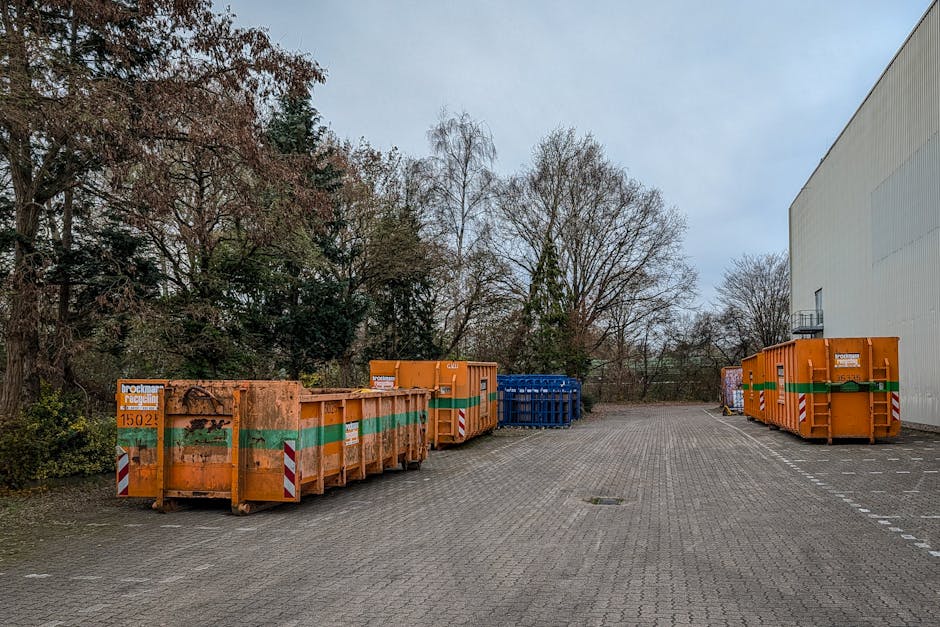
If you are clearing a flat, moving house, or dealing with a serious clutter build-up, the big question is often not just what to get rid of, but how to do it without causing yourself hassle or a fine. That is exactly why Do you need a skip? Harlington disposal rules & fines matters. In Harlington, waste disposal is not something to wing on a busy Saturday afternoon and hope for the best. One wrong placement, one overloaded skip, or one pile of waste left in the wrong place can turn a simple clear-out into an expensive headache.
This guide breaks down the practical side in plain English: when a skip makes sense, what rules usually matter, where fines come from, and what smarter alternatives can save time, money, and stress. If you are planning a move, a declutter, or a bulky disposal job, you will find the route that fits your situation best.
Why Harlington disposal rules and fines matter
Disposal rules matter because waste is one of those things that looks simple until it is not. A sofa, a broken freezer, old cardboard, plasterboard from a DIY job, or the remains of a student move-out all sit in different risk categories once they leave your home. Some can go into a skip with no drama. Others need handling separately. If you get that wrong, you can end up paying more than you expected, or worse, facing enforcement action for fly-tipping or improper waste storage.
Harlington has the same basic pressure points that affect many London-area spots: limited street space, tight parking, shared access, neighbours who do not want a skip blocking the road, and rules around how waste is placed and collected. That means the real question is rarely just "Do I need a skip?" It is more often, "Do I need a skip, a permit, a managed collection, or a completely different approach?"
Let's face it, most people only discover the rules when something goes wrong. A skip arrives too early. Waste is stacked above the rim. A mattress is left next to the bin area because there was no room. Then the mess spreads, and suddenly you are dealing with complaints or fines instead of a tidy clear-out. A bit of planning avoids all that.
If your disposal job is part of a move, it can help to think about the whole chain: decluttering first, packing properly, and then removing unwanted items in a way that fits your building, your street, and your timetable. That is one reason many people pair disposal planning with practical moving advice such as decluttering before moving day and packing smarter for a less stressful move.
How Harlington disposal rules & fines works
There are usually four moving parts to understand: the waste itself, where it will sit, how it will be collected, and whether anyone needs permission for it to be there. If you are using a skip, the skip stays on private land if possible. If it must go on a road or verge, permit and placement rules may come into play. That is where many people trip up. The skip is not the problem. The location often is.
Here is the practical version. First, identify the waste type. Mixed household rubbish is straightforward enough, but builders' waste, white goods, bulky furniture, electrical items, mattresses, and soils often need more careful handling. Second, decide whether the waste can be carried away by a team in one visit or whether a static skip will be sitting outside for a while. Third, check access. Narrow streets, shared driveways, low bridges, and parking stress can all change the best option.
If the waste is only there for a short period and a skip would block access or attract complaints, a man and van clearance style option may be easier. If you are clearing a full house or a lot of mixed waste, a skip may still be the simplest route. For heavier or awkward items, it is often better to use a specialist removal approach rather than trying to wrestle with a skip on your own. You can see the logic in guidance like how to handle heavy lifting safely and practical lifting technique advice.
Fines usually happen when waste is left somewhere it should not be, when a skip is overloaded or placed without permission, or when rubbish is treated casually as if "someone else will sort it." In reality, waste officers and enforcement teams are often looking for exactly that kind of avoidable mistake. One bag in the wrong place can become evidence of a bigger issue if it is traced back to you.
What usually triggers a problem
- Leaving rubbish beside a skip instead of inside it
- Using a skip on the road without checking the required permissions
- Mixing prohibited items with general waste
- Overfilling the skip so material sticks out
- Blocking pavements, drives, or access routes
- Dumping waste outside a property because the collection could not be arranged in time
That last one is common during moves. Boxes pile up. A broken wardrobe is too large for the car. The kitchen is half-packed. By 7pm, people start making bad decisions. We have all seen it. It is usually avoidable if you plan the removal side properly.
Key benefits and practical advantages
There is a reason people still choose skips and organised disposal services: when the setup is right, they save time and keep the job contained. But the best option is not always the cheapest sticker price. The real benefit comes from matching the disposal method to the job.
Skip advantages are easy to understand. You can fill it over time, it keeps the site tidy, and it works well for bigger clear-outs. If you are stripping a room, doing light renovation, or clearing bulky clutter in stages, a skip is often handy. Removal or clearance advantages are different. The waste is taken away fast, you do not have to load a metal container yourself, and you avoid leaving a skip outside for days where it may create access issues.
For many Harlington homes, especially flats or properties with tight streets, the second option can be more practical. A one-off clearance can be easier if you are dealing with furniture, awkward appliances, or a lot of packaging after a move. If that sounds familiar, it is worth reading about what bulky waste removals actually cover and how a local crew approaches difficult items.
There is also the time angle. A skip can look efficient, but only if you have the space, the labour, and the patience to fill it correctly. If not, it can sit there half-full while you keep navigating around it. That is not efficient. That is a beige metal obstacle.
Practical advantages at a glance
- Cleaner site: Waste stays in one controlled place
- Better pacing: Useful when a clear-out takes several days
- Less lifting: Particularly helpful if you choose a collection service
- Lower stress: Easier than multiple car trips to a disposal point
- Better compliance: Easier to manage if you understand the rules before starting
Who this is for and when it makes sense
This topic matters to far more people than just builders. In Harlington, it can be relevant to families clearing out a home, landlords preparing a property, students leaving at short notice, and anyone dealing with bulky furniture after a move. If your rubbish is light but awkward, or heavy but not enough to justify a full skip, there may be a smarter route.
A skip is often sensible if you are dealing with:
- DIY and refurbishment debris
- Mixed household clutter over several rooms
- Garden waste from a big tidy-up
- Bulky broken items that you cannot put out with normal bins
- Post-tenancy clear-outs where there is a lot to remove at once
It is less sensible when access is poor, the waste is mostly furniture, or you need items gone quickly before a key handover. For example, a student leaving a shared flat on a Friday morning may be better served by an arranged collection rather than trying to organise a skip in a narrow street and hoping neighbours do not mind. If that is your situation, the local guidance on fast student move-out options can be a useful pointer.
Commercial premises are another case. Office clearances, back-room storage, old chairs, monitors, and packaging from deliveries can produce a very mixed load. In those cases, the best disposal route usually depends on timing and building access. An organised clearance may fit better than a static skip, especially where staff, visitors, and deliveries all need to keep moving. If you are planning a bigger relocation, pair disposal planning with broader move prep like keeping the move calm and manageable.
Step-by-step guidance
If you want to avoid fines and unnecessary costs, do not start with the skip order. Start with the waste audit. It sounds boring, but it saves real money. In our experience, the quickest way to overspend is to choose a container before you know what is going into it.
- List the waste by type. Separate furniture, general rubbish, cardboard, electrical items, and anything sharp or hazardous.
- Estimate volume realistically. A room full of loose junk often compresses badly. A wardrobe and mattress can fill more space than people expect.
- Check access and parking. Measure gate widths, note any steps, and look at where a skip or vehicle would sit without blocking anyone.
- Decide whether a skip is practical. If the waste can be loaded over time and you have space, a skip may suit. If not, consider a collection service.
- Separate restricted items. Keep paints, chemicals, gas bottles, and similar materials out of general mixed waste unless the provider explicitly allows them.
- Book for the right day. Try to match the collection to the actual clean-up stage. That avoids waste sitting around in bags for too long.
- Keep the site tidy. Do not let waste spread beyond the agreed area. It looks bad and can invite complaints.
A simple, practical move is to combine disposal planning with packing strategy. If you are clearing as you pack, use the same discipline you would with a room move: sort, label, and remove items in waves rather than all at once. A useful companion read is expert packing strategies for moving day.
Expert tips for better results
Small choices make a surprisingly big difference here. A few smart habits can keep you clear of problems and reduce the amount of waste you actually need to dispose of.
Tip 1: Separate reusable items first
Before you treat everything as rubbish, pause and look at what still has value. Some furniture can be passed on, stored, or reused. A decent sofa, for example, may be worth protecting or temporarily storing rather than scrapping. You can get ideas from sofa storage tips if you are unsure whether an item really needs to go.
Tip 2: Handle heavy items safely
People hurt themselves on the "easy" jobs more often than they admit. The short lift that twists your back, the mattress that catches on the stair rail, the fridge that shifts suddenly. It happens. Use proper lifting technique, gloves, and help when needed. If an item is valuable or fragile, treat it differently from rough builder's waste. A piano is the obvious example, and it deserves specialist care rather than improvisation.
Tip 3: Think about timing and weather
A wet day changes everything. Cardboard gets soggy, paths become slippery, and bins of loose waste become far harder to manage. If the forecast looks grim, plan the disposal run early or use covered handling where possible. A light frost at 8am is one thing; a rain-soaked pile by mid-afternoon is another.
Tip 4: Keep neighbours in mind
This is not just manners. It can also prevent complaints. Avoid blocking shared access, do not leave waste on the pavement, and try to keep noise down if you are loading in the evening. In a place like Harlington, where streets can be tight and people notice everything, courtesy goes a long way.
And honestly, the difference between a smooth clear-out and a painful one is often a few minutes of thought beforehand. Not glamorous, but true.
Common mistakes to avoid
Most disposal fines do not happen because someone set out to do the wrong thing. They happen because people rushed, guessed, or assumed a rule would not matter. That is the problem. Waste rules are not especially dramatic, but they are easy to trip over.
- Ordering too small a skip: This leads to overflow or a second booking, which is usually more expensive overall.
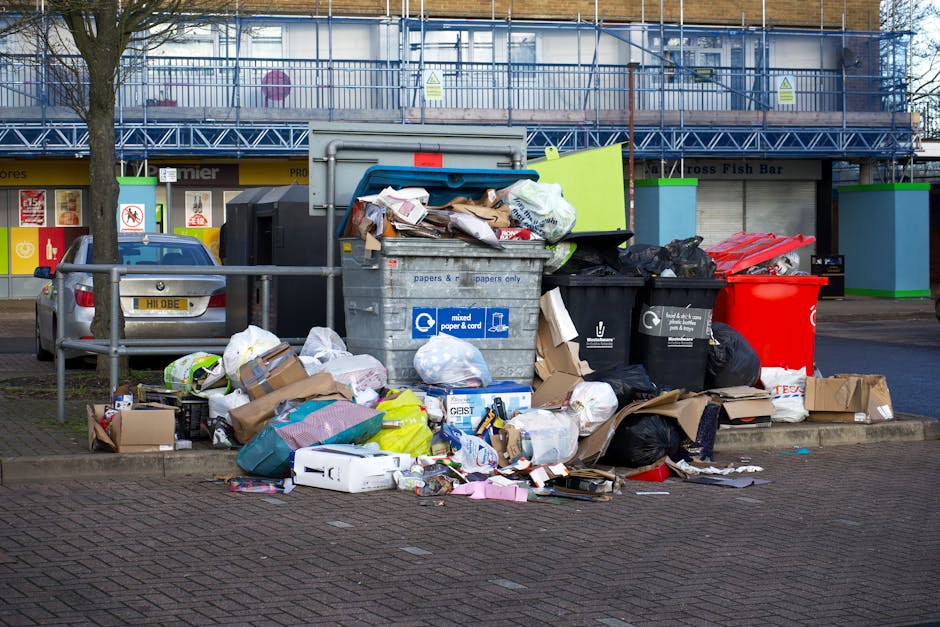
- Leaving waste beside the container: If it is not inside the skip or agreed pickup area, it may count as fly-tipping or uncontrolled waste.
- Mixing materials carelessly: Putting restricted items into general waste can create disposal issues later.
- Ignoring access constraints: A skip that blocks a drive or narrow street can create neighbour complaints and sometimes enforcement trouble.
- Assuming all bulky waste is treated the same: It is not. Furniture, electrical items, and construction debris are often handled differently.
- Waiting until the last minute: That is how people end up dumping items at the kerb and hoping for the best. Not ideal, obviously.
If your move is moving quickly, a same-day plan can be a lifesaver. There is a reason many people look at same-day removal tips when deadlines start breathing down their necks.
Tools, resources and recommendations
You do not need a huge kit, but a few practical items make disposal work much easier. Think of this as the unglamorous toolkit that saves you from a messy afternoon.
- Heavy-duty gloves: For broken edges, screws, splinters, and general grime
- Marker pens and labels: Helpful when sorting keep, donate, recycle, and dispose
- Blankets or straps: Useful if you are moving furniture out for collection
- Tape and boxes: Good for loose hardware, cables, and small parts
- Rubbish sacks: Use strong bags that will not split on the way out
- Notebook or phone checklist: To keep track of what is being removed and what still needs a decision
For larger removals, the best resource is often a team that already understands load handling, route planning, and awkward access. That may sound obvious, but many people lose time trying to make one vehicle do everything. If furniture is part of the job, it may help to look at furniture removals support or man and van help for local clear-outs when the job sits between a tiny DIY run and a full house move.
If you want to reduce waste in the first place, the sustainability angle matters too. Reuse, recycling, and careful sorting are often the difference between a needless bin job and a cleaner, cheaper outcome. The company's recycling and sustainability approach is worth considering if you are trying to make a responsible choice.
Law, compliance, standards and best practice
This area sits under UK waste handling expectations, and the safest way to think about it is simple: if you produce waste, you remain responsible for what happens to it until it is properly collected and handled. That does not mean you need to become a legal expert overnight. It does mean you should be cautious about where waste goes, who removes it, and whether any permissions are needed for storage or placement.
Best practice usually includes:
- Using an authorised waste carrier or a legitimate disposal route
- Keeping waste contained and not left in public places without permission
- Separating hazardous, electrical, and bulky items where needed
- Following building rules if you live in a flat or managed property
- Checking whether a road or pavement placement needs approval
For tenants and landlords, there is an extra layer of care. End-of-tenancy clear-outs can go wrong fast if rubbish is left behind, especially if the handover deadline is close. That is where a planned service, clear communication, and proof that the waste was handled properly can save everyone a lot of grief. The same goes for office clearances, where shared access and business continuity matter.
On safety, use the common-sense standard: if an item looks heavy, awkward, sharp, dusty, or unstable, treat it as a risk rather than a nuisance. It is not overcautious. It is just sensible.
Options, methods and comparison table
There is no single best method for every Harlington disposal job. The right choice depends on waste type, access, timing, and how much lifting you want to do yourself. Here is a simple comparison to make the decision easier.
| Option | Best for | Advantages | Watch out for |
|---|---|---|---|
| Skip hire | Ongoing clear-outs, DIY waste, mixed rubbish | Easy to fill over time, keeps waste contained | Space needs, placement permissions, overfilling, restricted items |
| Man and van clearance | Bulky items, faster clear-outs, limited access | Quick removal, less handling for you, often easier in tight streets | Needs good scheduling and clear item lists |
| DIY trips to disposal points | Small volumes, mixed but manageable loads | Flexible, low upfront cost | Time, fuel, vehicle wear, lifting effort, multiple journeys |
| Specialist item removal | Pianos, heavy appliances, delicate furniture | Safer for the item and your property | Requires the right expertise and preparation |
For awkward items, specialist handling is worth it. A piano, for example, is not a "strong back and best effort" object. It needs careful moving, proper route planning, and the right protection. The same principle applies to bed frames, mattresses, and larger furniture pieces. If that is part of your job, see piano removals support and bed and mattress moving tips for the kind of thinking that prevents damage.
Case study or real-world example
Here is a realistic Harlington scenario. A couple are moving out of a first-floor flat near a busy road. They have an old wardrobe, a broken chest of drawers, three bags of general rubbish, flattened boxes, and a few small appliances they no longer want. At first, they think a skip is the answer. Then they look at access: narrow stairwell, no easy parking, and a shared frontage that would make neighbours grumble if a container sat outside for two days.
Instead of forcing a skip into the wrong setup, they split the job. Reusable boxes are recycled, smaller items are bagged neatly, and the bulky furniture is removed in one organised visit. The loading is faster than expected because the route was planned properly and the items were grouped before the team arrived. No skip, no street obstruction, no "we'll sort it later" pile at the kerb.
That is a very ordinary example, which is exactly why it matters. Most disposal problems are not dramatic. They are small mismatches between the waste, the location, and the method chosen. Get those three things aligned and the whole job gets easier.
For moves that involve storage or temporary holding of items, it can also help to think ahead. If something is not ready to be disposed of yet, storing it safely can buy you breathing room, just as you might do with items discussed in storage planning during downtime or protecting a sofa before deciding its fate. Sometimes the right answer is not disposal right away. Sometimes it is a pause.
Practical checklist
Use this before you book anything or start loading waste. It is simple, but it covers the parts people forget when they are in a rush.
- Have I separated rubbish, recycling, furniture, and hazardous items?
- Do I know whether I actually need a skip, or whether a clearance service would be easier?
- Is there enough room for a skip or vehicle without blocking access?
- Have I checked for any property, landlord, or building rules?
- Am I keeping waste inside the agreed container or collection area?
- Do I know which items need special handling?
- Have I planned the disposal around moving day, not after it?
- Do I have gloves, bags, labels, and basic lifting help ready?
- Will the waste be taken by a legitimate, responsible provider?
- Have I thought about reuse or recycling before disposal?
If you can tick most of those boxes, you are in good shape. If not, slow down a bit and sort the plan first. It will save you trouble later. Usually, it does.
Get a free quote today and see how much you can save.
Conclusion
So, do you need a skip? Sometimes yes. Sometimes no. The better question is whether a skip is the safest, cleanest, and most practical way to deal with your waste in Harlington without triggering avoidable fines or awkward access problems. If your job is small, bulky, time-sensitive, or located on a tight street, a different disposal method may be the smarter call.
What really keeps you out of trouble is not luck. It is a simple habit of checking the waste type, the space available, the timing, and the rules before the first bag leaves the house. That tiny bit of planning can turn a stressful clear-out into something orderly and, dare I say, almost satisfying.
And once the rubbish is gone, the room suddenly feels bigger, quieter, lighter. That's the good bit.