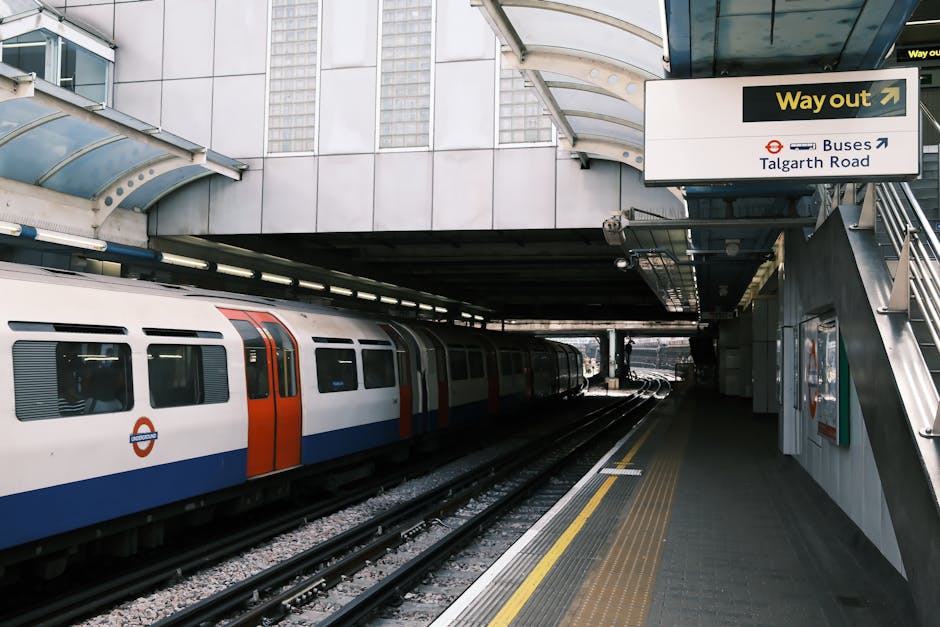
Hayes and Harlington station moves insider tips for removals
If you are planning a move near Hayes and Harlington station, the details matter more than you might expect. Parking can tighten up quickly, access can be awkward around busy roads, and timing your loading window can make the difference between a calm move and a long, frustrating day. This guide to Hayes and Harlington station moves insider tips for removals is designed to help you move smarter, not harder. You will find practical local advice, step-by-step planning help, and the kind of small but important details that people usually only learn after one move too many.
Truth be told, removals around a station area are rarely just about lifting boxes. They are about timing, access, building rules, vehicle choice, packing order, and keeping everyone on the same page. Let's make it simple.
Table of Contents
- Why Hayes and Harlington station moves insider tips for removals Matters
- How Hayes and Harlington station moves insider tips for removals Works
- Key Benefits and Practical Advantages
- Who This Is For and When It Makes Sense
- Step-by-Step Guidance
- Expert Tips for Better Results
- Common Mistakes to Avoid
- Tools, Resources and Recommendations
- Law, Compliance, Standards, or Best Practice
- Options, Methods, or Comparison Table
- Case Study or Real-World Example
- Practical Checklist
- Conclusion
- Frequently Asked Questions
Why Hayes and Harlington station moves insider tips for removals Matters
Station-area moves have their own rhythm. Around Hayes and Harlington, the streets and access points can be busy at the wrong moment, and a move that looks straightforward on paper can become a puzzle once a van arrives. That is why local knowledge is such a big deal. You are not just moving from one address to another; you are working around traffic, neighbours, parking pressure, lift access, narrow hallways, and the practical limits of moving furniture in a live environment.
This matters for families, tenants, first-time buyers, landlords, and business owners alike. A good plan reduces delays. A better plan reduces stress. And an informed plan saves money because fewer hours are wasted waiting for access, shifting items twice, or booking a vehicle that is either too small or awkwardly oversized.
There is also the human side of it. Moving day can be noisy, a bit chaotic, and slightly emotional too. You might be juggling school runs, train times, keys, cleaners, or a final handover. When you know the moving flow in advance, everything feels lighter. Not easy, exactly, but lighter.
Key point: the best removals near a station are usually the ones that are planned around the area, not just the property.
How Hayes and Harlington station moves insider tips for removals Works
In practical terms, the moving process starts long before the van turns up. A local move near Hayes and Harlington usually follows a simple chain: assess access, match the vehicle to the load, organise packing, confirm timings, and protect the property on both sides. Sounds obvious, but a lot can slip through the cracks if that sequence is rushed.
1. Access is checked first
This is where the real job begins. You need to know where the vehicle can stop, whether there is room to unload safely, and how far items need to travel from the van to the front door. If there are stairs, lifts, shared entrances, or tight corners, these details affect both time and labour.
2. The vehicle is matched to the move
A small flat move might suit a man and van setup, while a fuller household relocation may need a larger removal van or truck. If you under-book, you risk multiple trips. If you over-book, you may pay for space you do not use. A sensible balance is usually best. You do not want to play Tetris with a dining table at 7 a.m., trust me.
3. Packing is staged by priority
In efficient removals, the items you need last are packed first, and the essentials box is set aside for immediate use. That means kettle, chargers, medication, snacks, and a change of clothes should not disappear into a random pile of tape and mystery labels.
4. The move is timed around the area
Busy station-adjacent roads can change character through the day. Morning activity, school traffic, commuter flow, and delivery windows can all affect how smoothly a van can get in and out. Even a small timing adjustment can save a lot of hassle.
If you want a broader sense of what a professional local moving service can cover, it may help to look at the range of removal services available, or compare specific options such as man and van support versus a larger removal van.
Key Benefits and Practical Advantages
The biggest advantage of using local insider tips is simple: fewer surprises. And in removals, surprises tend not to be the fun kind.
- Better timing: you can plan around local traffic and access bottlenecks.
- Fewer delays: fewer unplanned trips, parking issues, and loading problems.
- Lower stress: everyone knows what to expect, so the day feels calmer.
- Improved safety: fewer rushed lifts, awkward carries, and damaged items.
- More accurate quoting: when the access details are clear, pricing is usually more realistic.
- Less waste: you can decide in advance what should be moved, recycled, donated, or disposed of.
There is also a practical money-saving angle. A move that is planned well often takes less labour time. That does not mean it will always be cheap, but it does mean you are less likely to be hit by avoidable extras caused by bad planning. If you are comparing options, it can help to review pricing and quotes early, rather than leaving it until the week before.
For some households, the most valuable benefit is simply being able to breathe. That sounds dramatic, maybe, but anyone who has tried to move a sofa through a narrow hallway while answering a buzzing phone will know exactly what I mean.
Who This Is For and When It Makes Sense
This guide is useful if you are moving from a flat, maisonette, house, shared property, or small office near Hayes and Harlington station. It is especially relevant if your move involves limited parking, shared access, timed entry, or bulky furniture.
You may find it particularly helpful if you are:
- a tenant needing to clear and hand back a property on a deadline
- a homeowner coordinating keys, cleaners, and handover times
- a landlord arranging a tenant changeover
- a student or young professional moving between rentals
- a small business owner relocating equipment or stock
- someone with heavy items like beds, sofas, wardrobes, or a piano
It also makes sense if you are deciding between a full removals company and a smaller flexible setup. For example, if your move is light but awkward, a man with van removal service may be enough. If you are shifting a whole household, you may want something closer to house removals support.
Not every move needs a large crew. Sometimes a tidy, well-planned one-van move is exactly right. Other times, trying to squeeze a full family house into a lightweight solution just creates stress. Simple as that.
Step-by-Step Guidance
Here is a practical way to approach a station-area move without losing your head halfway through.
Step 1: Confirm your moving date and access window
Start with the basics. Check when you get the keys, when the old property must be vacated, and whether your building has any restrictions on moving times. If you are in a flat or managed property, ask about lift booking, loading bay access, or any noise restrictions.
Step 2: Audit what is actually moving
Go room by room. Decide what is going, what is staying, and what can be sold, donated, or recycled. This step often cuts more stress than people expect. Half the battle is deciding what you do not want to drag across town.
Step 3: Measure awkward items and access points
Measure beds, wardrobes, sofas, and appliances. Then measure doorways, stair turns, and any tight corridors. If a sofa barely clears a bend at the old property, it may need special handling at the new one too. The same goes for fridges and mattresses. A tiny bit of measuring now can save a major headache later.
Step 4: Choose the right moving support
Match the service to the job. Small flat? A van may do. Family house? A larger removals team is often safer and faster. Office relocation? You may need a more structured service such as office relocation services or commercial moves.
Step 5: Pack in the right order
Pack non-essential items first. Label boxes clearly by room and priority. Keep valuables, documents, medications, chargers, and a kettle box separate. You will thank yourself later when you are tired and trying to find the tea bags.
Step 6: Confirm parking and loading arrangements
Station-area access is often where moves get messy. Make sure the mover knows where they can stop, whether there are restrictions, and whether any permits or permission are needed. If parking is tight, share photos if possible. It helps more than you might think.
Step 7: Protect floors, walls, and furniture
Use covers, blankets, and proper wrapping for fragile or high-value items. If you are moving anything sensitive, such as large mirrors or electronics, make sure it is protected before the van starts moving. Careful now beats sorry later.
Step 8: Keep an essentials bag with you
Your first night box should include a few basics: toiletries, chargers, tea, snacks, important paperwork, pet items, and a change of clothes. Nothing fancy. Just enough to make the first evening feel manageable.
Expert Tips for Better Results
These are the small details that often separate a decent move from a genuinely smooth one.
- Book early if your date is fixed. The best moving slots near busy transport areas go quickly.
- Use colour-coded labels. A red sticker for kitchen, blue for bedroom, green for lounge. Very simple, very effective.
- Disassemble furniture in advance. Flat-pack items, bed frames, and some wardrobes move better in pieces.
- Photograph cable setups before unplugging. It saves time when reassembling TVs, computers, and routers.
- Keep cleaning supplies separate. You usually need them right at the end, not buried somewhere under winter coats.
- Build in a buffer. If the schedule is tight, add breathing room. Always.
One thing people underestimate is how much a clear path matters. A hallway full of loose shoes, plant pots, or random storage boxes can slow a crew down more than the heavy lifting itself. Clearing routes before the team arrives is a small effort with a big payoff.
Expert summary: the fastest move is rarely the one with the biggest vehicle. It is the one where access, packing, and timing were sorted early and honestly.
If you are moving bulky furniture, a dedicated service such as furniture pick up can be useful for items you are not taking with you. And if you are trying to reduce the load beforehand, recycling and sustainability can help you think through what should be reused or responsibly removed.
Common Mistakes to Avoid
A lot of moving problems are avoidable. Really, they are. The trick is spotting them before they snowball.
- Underestimating the access: a van can be perfect on paper and still awkward on the street.
- Packing too late: the last-night scramble leads to poor labelling and broken sleep.
- Not checking building rules: lift access, time slots, and noise restrictions can catch people out.
- Choosing the wrong vehicle size: too small means repeated trips; too large can mean parking stress.
- Leaving fragile items unprotected: mirrors, lamps, and electronics need proper wrapping.
- Forgetting the essentials box: this one is surprisingly common, and mildly annoying in the moment.
- Skipping the declutter stage: moving things you do not want is just paying to carry clutter.
Another common issue is not being honest about the volume of items. People naturally underestimate. We all do it. That one cupboard seems small until you start lifting everything out and suddenly it looks like a full household lives inside it.
Tools, Resources and Recommendations
You do not need specialist equipment for every move, but a few practical tools make life easier.
- Sturdy boxes: use good-quality boxes for books, kitchen items, and breakables.
- Packing tape and labels: never run out halfway through a box run.
- Blankets and wraps: useful for protecting furniture edges and polished surfaces.
- Dolly or sack truck: helpful for heavier loads if access allows.
- Marker pens: clear handwriting is better than tiny cryptic notes nobody can read later.
- Zip bags: ideal for screws, fittings, and small parts from dismantled furniture.
If you need packing support, it may be worth looking at packing and unpacking services. If you are moving a home rather than a single room, home moves or home-moving support can take some of the pressure off the day.
For anyone comparing different local providers, reviewing an established removal company profile and checking what is included in the quote is usually time well spent. In our experience, clarity beats assumptions every time.
Law, Compliance, Standards, or Best Practice
Moving house or relocating a business in the UK does not usually require complex formal permissions, but there are still important standards and common-sense duties to keep in mind. If a vehicle needs to stop in a restricted area, you should check local parking rules in advance. If you live in a managed building, follow the building's moving arrangements. And if items are being discarded, make sure they are handled responsibly rather than left behind or fly-tipped.
If a mover offers disposal or clearance help, it is sensible to ask how waste is managed and whether they operate responsibly. Not every job needs a separate waste solution, but it is wise to know what happens to anything you are not taking with you. For more detail on that side of things, local readers often find the site's information on insurance and safety useful, along with the health and safety policy if they want reassurance about working practices.
You should also expect basic care standards: proper lifting techniques, sensible load securing, respectful handling of property, and clear communication if timings change. Those are not bells and whistles; they are part of a professional service. If you have questions about payment handling or booking confidence, the payment and security page can help set expectations before you commit.
Small note: if a move feels unusually complicated, it probably deserves a more careful plan, not a faster one.
Options, Methods, or Comparison Table
Different moves call for different approaches. Here is a simple comparison to help you choose the right style of service.
| Option | Best for | Advantages | Watch-outs |
|---|---|---|---|
| Man and van | Small flats, single-room moves, light loads | Flexible, practical, often cost-conscious | May be limited for large loads or multiple heavy items |
| Full removals team | Whole-house moves, families, bulky furniture | Faster loading, more support, less lifting for you | Usually costs more than a simple van-only option |
| Office relocation service | Businesses, equipment, desks, records | Better coordination and reduced downtime | Needs careful planning and clear item lists |
| Packing add-on | Busy households or time-poor movers | Reduces stress and improves protection | Needs clear instructions and access to all rooms |
If you are torn between two approaches, ask yourself one question: do you need transport, or do you need hands-on help from start to finish? That answer usually tells you what to book.
Case Study or Real-World Example
Here is a realistic example from a typical station-area move. A couple moved from a one-bedroom flat near Hayes and Harlington station into a house a short drive away. On paper, it looked easy. Same postcode area, not far to travel, nothing huge except a bed, a sofa, and a dining table. The snag was access. The old flat had a tight stairwell, limited parking, and a narrow space for loading.
Instead of sending a small vehicle and hoping for the best, the move was planned with a better-sized van, a clear loading window, and pre-wrapped furniture. Boxes were labelled by room, the bed was dismantled the day before, and the essentials bag stayed in the car. Because the access was checked early, the crew could work methodically rather than improvising at the door. The whole thing still felt busy, of course, but it was controlled busy. That is a different feeling entirely.
By the end of the move, the couple said the best decision was not the van size, oddly enough. It was the planning. They had done the small things: measured, labelled, pre-packed, and kept the route clear. That is the real lesson here. Not glamorous, but effective.
Practical Checklist
Use this checklist a few days before moving day. It is simple, but it works.
- Confirm moving date, collection time, and access arrangements
- Check parking and loading space near both properties
- Measure large furniture and difficult access points
- Declutter anything you do not want to move
- Book the right moving support for your load size
- Pack and label boxes by room and priority
- Prepare an essentials bag for the first 24 hours
- Protect fragile items with proper wrapping
- Keep screws, fittings, and cables in labelled bags
- Review any building rules or time restrictions
- Set aside cleaning supplies and final-meter photos if needed
- Keep key documents and valuables with you personally
If you have time for only one extra task, make it the route check. Walk the path from door to van. It sounds small, but it catches the silly problems before they become expensive ones.
Conclusion
Moving near Hayes and Harlington station is much easier when you plan for access, timing, and the real shape of the job rather than the ideal version of it. The best Hayes and Harlington station moves insider tips for removals are not dramatic. They are practical, local, and quietly effective: choose the right vehicle, pack early, check parking, and keep the essentials close.
Whether you are moving a compact flat, a family home, or a small business setup, the same truth applies: good preparation saves time and keeps the day from spiralling. A little local know-how goes a long way.
Get a free quote today and see how much you can save.
And if you are still at the planning stage, that is fine too. Take it one step at a time, keep the important things simple, and the rest tends to fall into place.
Frequently Asked Questions
What makes Hayes and Harlington station moves different from other local removals?
Moves near a station often involve tighter parking, more traffic movement, and more pressure around timing. That means access planning matters more than it might in a quieter residential street.
Is a man and van service enough for a move near Hayes and Harlington station?
Sometimes yes, especially for smaller flats, single rooms, or light moves. If you have bulky furniture, many boxes, or awkward access, a larger removals setup may be more practical.
How far in advance should I book a removal service?
As early as possible if your moving date is fixed. Popular dates and short-notice slots can go quickly, especially for local moves that need careful timing.
What should I do if parking near my property is limited?
Tell the mover in advance and share as much detail as possible. Photos help. If there is a tight loading area, the route from van to door should be planned before moving day.
Do I need packing services as well as removals?
Not always. But if you are busy, moving with children, or dealing with delicate items, packing help can reduce stress and improve protection during transit.
How can I keep removal costs under control?
Declutter before moving, be honest about volume, choose the right-sized vehicle, and avoid last-minute changes. Clear access details also help reduce avoidable delays.
What items should I keep with me personally on moving day?
Keep documents, valuables, medication, keys, chargers, and a small essentials bag with you. It is easier than trying to find them in the back of a packed van later.
Can a removals team handle furniture dismantling and reassembly?
Many can, but always confirm before booking. If you have beds, wardrobes, or other large items, ask exactly what is included so there are no surprises.
What if I need to move at short notice?
Short-notice moves are possible in many cases, but flexibility helps. Be ready with accurate item lists, access details, and a clear collection window so the booking can be arranged quickly.
Are there any safety or compliance points I should think about?
Yes. Check building rules, parking restrictions, safe lifting practices, and how unwanted items will be handled. Professional movers should also be able to explain their safety approach clearly.
What is the best way to prepare for a station-area move?
Plan the route, measure awkward items, pack early, and choose the service level that matches your load. The calmest moves are usually the ones where the small decisions were made early.
Should I choose a full removals company or a smaller local van service?
It depends on the size and complexity of your move. Small, straightforward loads often suit a van service. Full household or office moves usually benefit from a more complete removals team.